ServicesWall Repair
Wall Repair in Secaucus
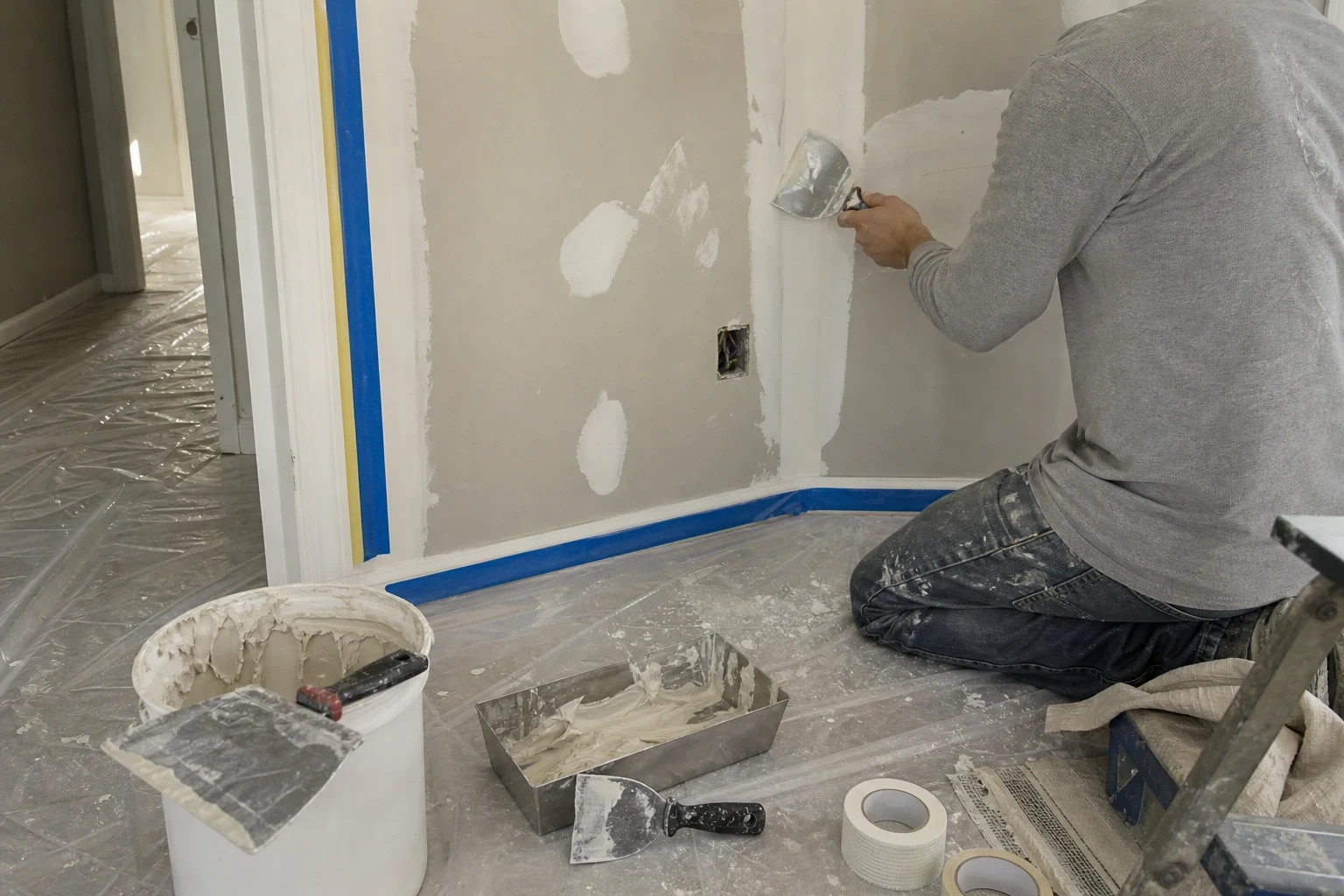
Cracks over doorways, a doorknob hole, anchor holes from a TV mount, a stain from an old leak. We repair the damage, match the surface so it disappears, and keep your floors and furniture covered while we work.
When a Wall Needs More Than Spackle
Wall repair covers the everyday damage that builds up in a lived-in room: hairline cracks that keep coming back, dents from furniture, dings at the bottom of stairwells, and soft spots where water got in. Some of it is a quick fill. Some of it means cutting out a section and rebuilding it so the fix lasts.
We look at why the wall failed before we touch it. A crack that runs from the corner of a door frame usually comes from the house moving through the seasons, so we tape and reinforce it instead of just smearing compound over it. A swollen, stained patch needs the wet board removed, and we will tell you plainly if the source of the water has to be fixed first.
Plaster and drywall both show up in homes around here, often in the same house. We work with both, and we leave the room clean enough to use that evening.
What Our Wall Repair Includes
- Room protection first
- Before any tools come out, we lay drop cloths, move or cover furniture near the wall, and tape plastic over doorways when there will be sanding. Outlets and switch plates come off and get set aside.
- Crack repair with tape
- Recurring cracks get opened up slightly, bedded with mesh or paper tape and finished in thin coats. Tape gives the joint strength, which is what stops the same line from showing up again next winter.
- Dents, gouges and anchor holes
- Small damage is filled, sanded and primed. Larger holes get a backed patch so the repair is solid when you press on it, not just a skin of compound.
- Water-marked sections
- We cut out board that has gone soft or crumbly, check the framing behind it, and replace it with new material. Stains on sound board get sealed with a stain-blocking primer so they do not bleed through.
- Texture matching
- If your wall has an orange peel or light knockdown finish, we match it so the repaired area blends in once painted.
- Daily cleanup
- We vacuum dust, bag scraps and fold up the work area at the end of every day, so you are not stepping around a mess between visits.
Signs Your Walls Are Due for Repair
A crack that keeps coming back
If you have filled the same crack more than once, it was never taped. It needs a proper repair, not another layer of filler.
Nail pops in a row
Small round bumps lined up vertically mean fasteners have backed out. We reset them with screws and refinish over the top.
Yellow or brown stains
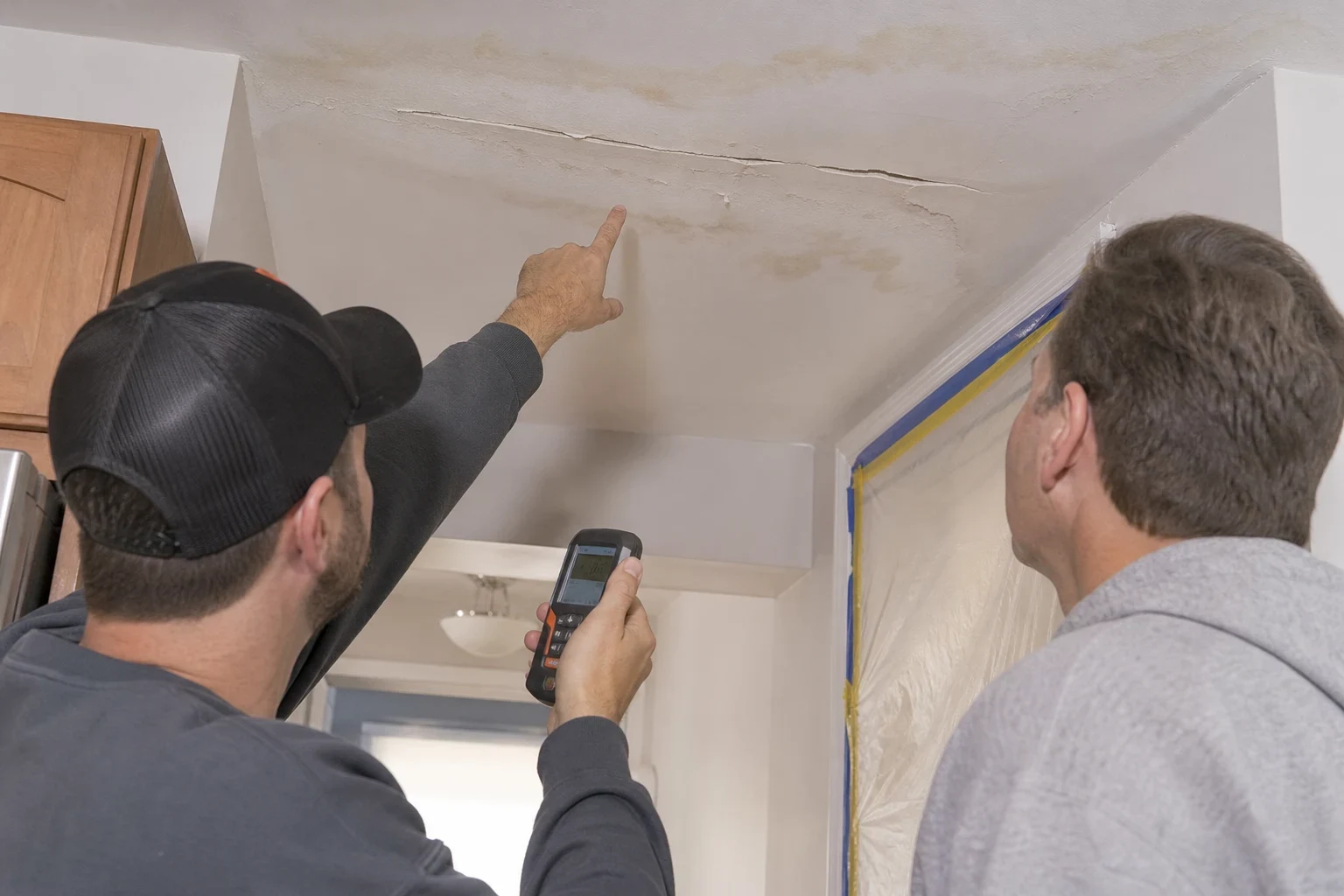
A ring-shaped stain points to past water. Press gently. If the wall feels soft, the board behind the paint needs to come out.
Holes left after moving out
Landlords and property managers often find anchor holes, picture hook damage and doorknob punctures between tenants. We repair them so the walls are ready for the next paint touch-up.
Bulging or peeling paper face
When the paper face on drywall bubbles or tears, the surface underneath is exposed and will keep breaking down until it is skim coated or replaced.
What Affects the Cost of Wall Repair
Every wall is a little different, so we price the job after we see it. The written estimate lists each repair separately, and we will not add work without talking with you first.
Size and number of repairs
Several small holes in one room cost less per spot than a single large damaged section that needs new board.
Plaster or drywall
Plaster repairs take more steps and drying time than drywall, which adds labor.
What we find behind the surface
Damp framing or crumbling board found during the repair changes the scope. We show you what we found before going further.
Texture and finish
A smooth wall is simpler to blend than a textured one. Matching a specific texture takes extra time and care.
Access and room setup
Stairwells, tall walls and rooms full of furniture take longer to protect and work in safely.
How a Wall Repair Visit Goes
- 1
A look at the damage
We come out, check the wall by eye and by hand, and explain what caused the problem and what the fix involves. You get a clear, written estimate before any work starts.
- 2
Setting up a clean work area
On the day, we cover floors from the wall out, protect nearby furniture and seal off the room if we will be sanding. We ask where you would like us to set up tools and mix compound.
- 3
Repair and drying time
We cut out, patch, tape and apply compound in thin coats. Each coat has to dry before the next, so most wall repairs take two or three short visits rather than one long day.
- 4
Sanding and final finish
We sand with dust control, match the texture and prime the repair. If you want the spot painted, we can handle the paint touch-up as well.
- 5
Walkthrough and cleanup
We pull up the drop cloths, vacuum, wipe down sills and baseboards, and walk the room with you so you can see the finished wall up close.
Wall Repair Questions
How much dust will there be?
Some dust comes with sanding, but we keep it contained. We seal doorways with plastic, sand with dust control, and vacuum at the end of each day. Most customers keep living in the rest of the house without noticing much.
Will I be able to see where the wall was repaired?
We aim for a repair you cannot pick out once the wall is painted. We feather the compound well past the damage and match the existing texture. Older paint can fade or change in sheen over the years, so a fresh paint touch-up may not match the surrounding wall exactly. We will tell you honestly what to expect when we see it.
Can you fix cracks in old plaster walls?
Yes. We stabilize loose areas, tape the cracks and build up the surface in thin coats. If a section of plaster has pulled away from the lath, we will explain the options before starting.
My wall has a water stain. Can you just paint over it?
Only if the board is still firm and dry. We check it first. A soft or damp wall needs that section replaced, and the leak causing it should be fixed before we close it up.
How is wall repair different from drywall patching?
Drywall patching focuses on holes. Wall repair is broader and covers cracks, nail pops, water damage, plaster and surface damage. If you are not sure which you need, describe it on the phone and we will point you in the right direction.
Let's Get That Wall Fixed
Tell us what the damage looks like and where it is. We will set up a time to see it, give you a written estimate and leave your room clean when the work is done.