ServicesDrywall Hanging
Drywall Hanging in Secaucus
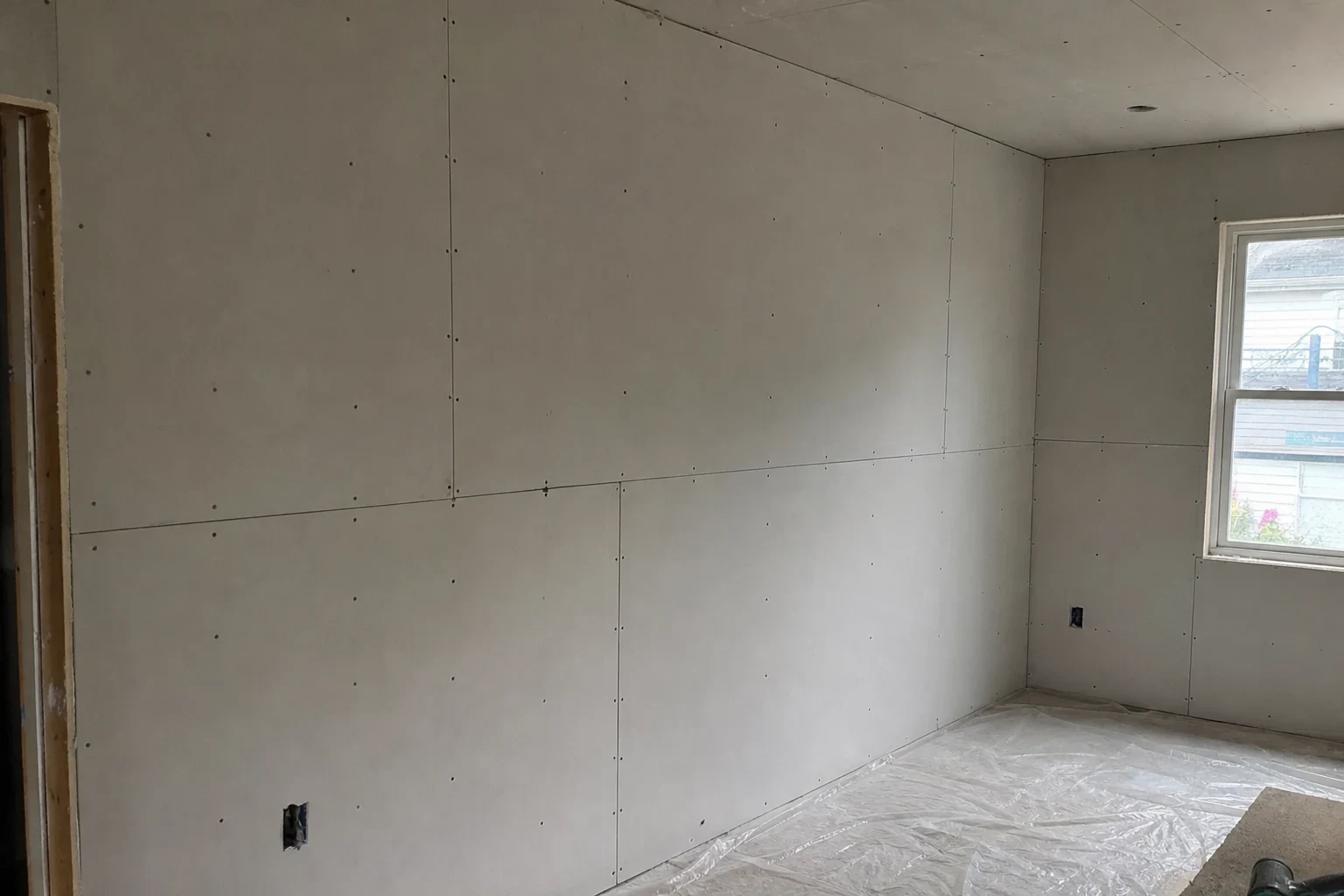
When a room is down to bare studs, we hang new drywall that sits flat, lines up at the corners and is ready for taping. We cover your floors, protect the rest of your home and sweep up before we leave every day.
New walls and ceilings, hung right the first time
Drywall hanging is the step where open framing becomes a wall again. It is the right call when damage runs too deep for a patch, after a renovation or remodel opens walls, when an unfinished basement or attic is turned into living space, or when a new partition goes in. If only a section is damaged, our drywall repair or drywall patching service is usually the better fit, and we will tell you so.
Good hanging makes everything after it easier. Sheets that land on the framing, staggered seams and screws set just below the paper mean less mud, less sanding and fewer cracks later. Through the whole job we keep a clean work area: plastic over doorways, covered floors, and scraps bagged and carried out instead of left in a pile in your hallway.
What our drywall hanging covers
- Choosing the right board
- We match the sheet to the room. Standard board for most walls, moisture-resistant board for bathrooms and laundry areas, and fire-rated board where code calls for it, such as walls shared with an attached garage.
- Checking the framing first
- Before a single sheet goes up, we look for bowed studs, uneven joists and missing backing at corners. Fixing those now is what keeps a wall from looking wavy once the light hits it.
- Ceilings before walls
- We hang ceilings first so the wall sheets hold the edges up tight. On ceilings we use a drywall lift and thicker board where it helps prevent sagging between joists.
- Clean cutouts for outlets and fixtures
- Every box, vent and light opening is measured and cut to fit, not torn out after the fact. That keeps cover plates sitting flat and avoids extra patching.
- Daily cleanup and protection
- Floors are covered, nearby rooms are sealed off with plastic, and offcuts go out with us. You come home to a swept room, not a job site spilling into the rest of the house.
Signs you need new drywall, not a patch
The damage is bigger than your hand span
Large holes, crushed sections or long runs of broken board are faster and stronger to replace with full sheets than to patch piece by piece.
Water got into the wall
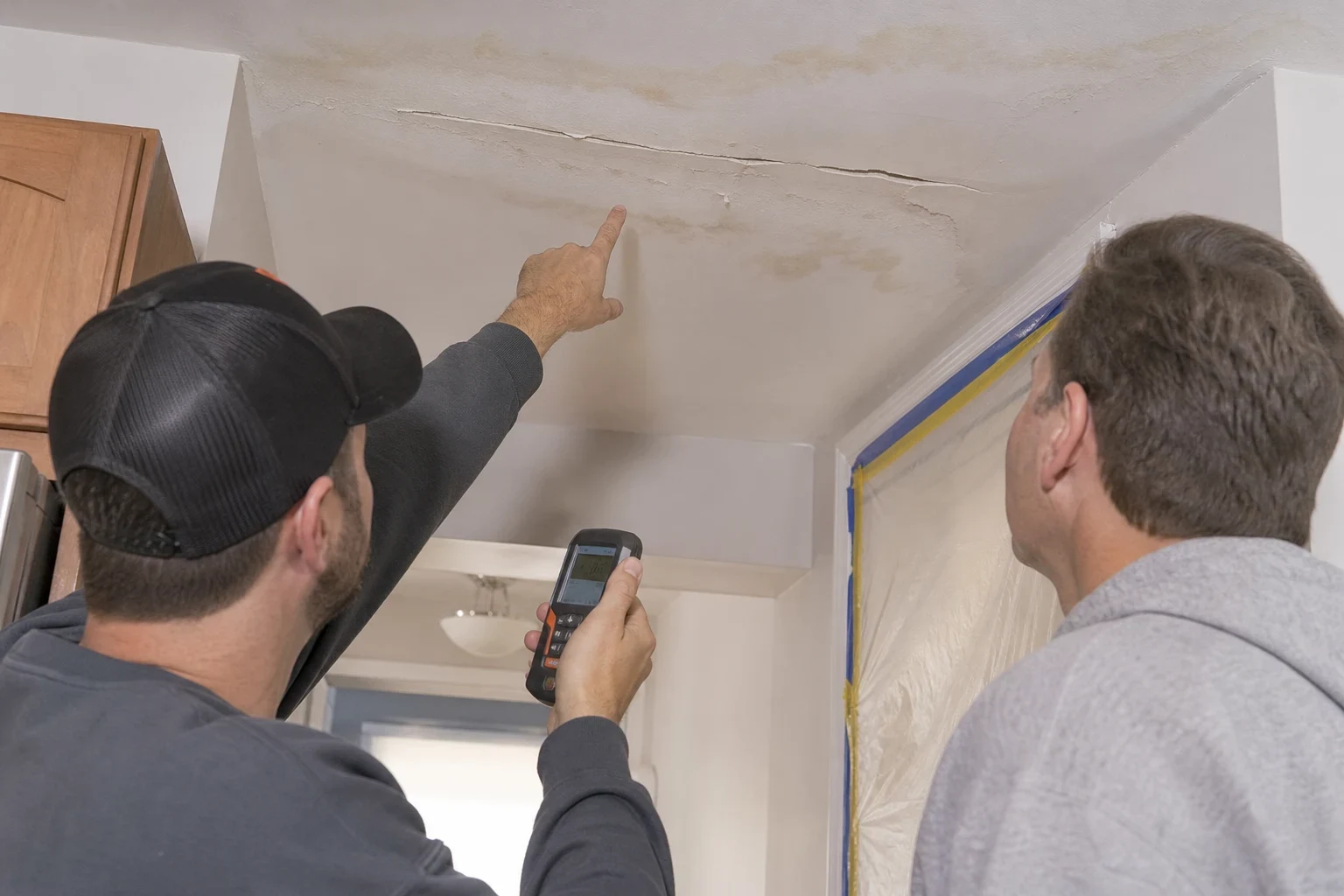
Board that stayed wet turns soft and crumbly and can hold mold behind the paper. Once the source is fixed, cutting it out and hanging fresh board is the lasting answer.
You are finishing a basement or attic
Bare framing in a space you want to use needs new drywall from top to bottom, often with moisture-resistant board in lower levels.
Walls were opened for wiring or a remodel
When an electrician or remodel has left whole bays open, rehanging those sections gives you a flat, sound wall instead of a patchwork.
Old board is sagging or bulging
Ceilings that dip between joists or walls that bow outward usually mean fasteners have let go or the board has failed. New sheets, properly fastened, fix it for good.
How a hanging job runs
- 1
Look and measure
We visit, walk the space with you, check the framing and measure every wall and ceiling. You get a written estimate that lists the board, the rooms and what is included, including whether a permit is needed.
- 2
Protect your home
On day one we cover floors along the path in and the work area itself, hang plastic at doorways and move or cover anything nearby. We ask you to clear small items, and we handle the rest.
- 3
Hang ceilings, then walls
Sheets go up with seams staggered and landing on framing, fastened at proper spacing. We cut openings for outlets, switches and fixtures as we go.
- 4
Walk-through and cleanup
We check for loose fasteners and gaps, then bag scraps, vacuum dust and sweep. If finishing comes next, we explain the plan and timeline for drywall finishing so you know exactly what happens after hanging.
What affects the cost of hanging drywall
Every hanging job is priced from the actual rooms, so we measure before we quote. The biggest factors are how much board goes up and how easy it is to get in and work. Your written estimate spells out each item so nothing shows up later as a surprise.
- Square footage and ceiling height
- More sheets mean more material and labor. Tall walls, stairwells and vaulted ceilings take scaffolding or a lift and extra time.
- Type of board
- Moisture-resistant and fire-rated board cost more than standard sheets and are heavier to handle, but some rooms need them.
- Framing condition
- Straight, sound framing goes quickly. Bowed studs, missing backing or uneven joists add prep work before the first sheet goes up.
- Access and layout
- Narrow stairs, upper floors in older multi-family homes and rooms with many openings and corners all slow the work.
- Finishing and permits
- Hanging alone is priced differently from hanging plus taping and finishing. If your project requires a permit, that cost is listed separately in the estimate.
Drywall hanging questions
Something not covered here? (201) 800-6041
Do you finish the drywall after you hang it?
Yes, we can. Most customers have us hang and then tape, mud and sand so the walls are ready for paint. That work is covered on our Drywall Finishing page, and we can quote both together.
How messy is drywall hanging?
Hanging itself makes far less dust than sanding, mostly offcuts and gypsum crumbs from cutting. We cover floors, seal doorways with plastic and clean up at the end of each day, so the rest of your home stays livable while we work.
Can I stay in my home during the job?
Almost always. We keep the work contained to the rooms we are hanging and keep a clear path through the house. If a room you rely on, like a kitchen, is involved, we plan the schedule with you first.
Will new drywall line up with my existing walls?
We match the thickness of your existing board where new meets old, and we check the framing so the surfaces sit flush. Small differences are blended during finishing.
Do I need a permit to hang drywall?
It depends on the scope. Swapping out damaged board often does not, while finishing a basement or larger renovations usually do. We check during the estimate and tell you plainly, and when one is needed we handle it.
Ready to close up those walls?
Tell us about the room, what is open and what you want it to become. We will set up a visit to measure and give you a written estimate, with protection and cleanup already part of the plan.